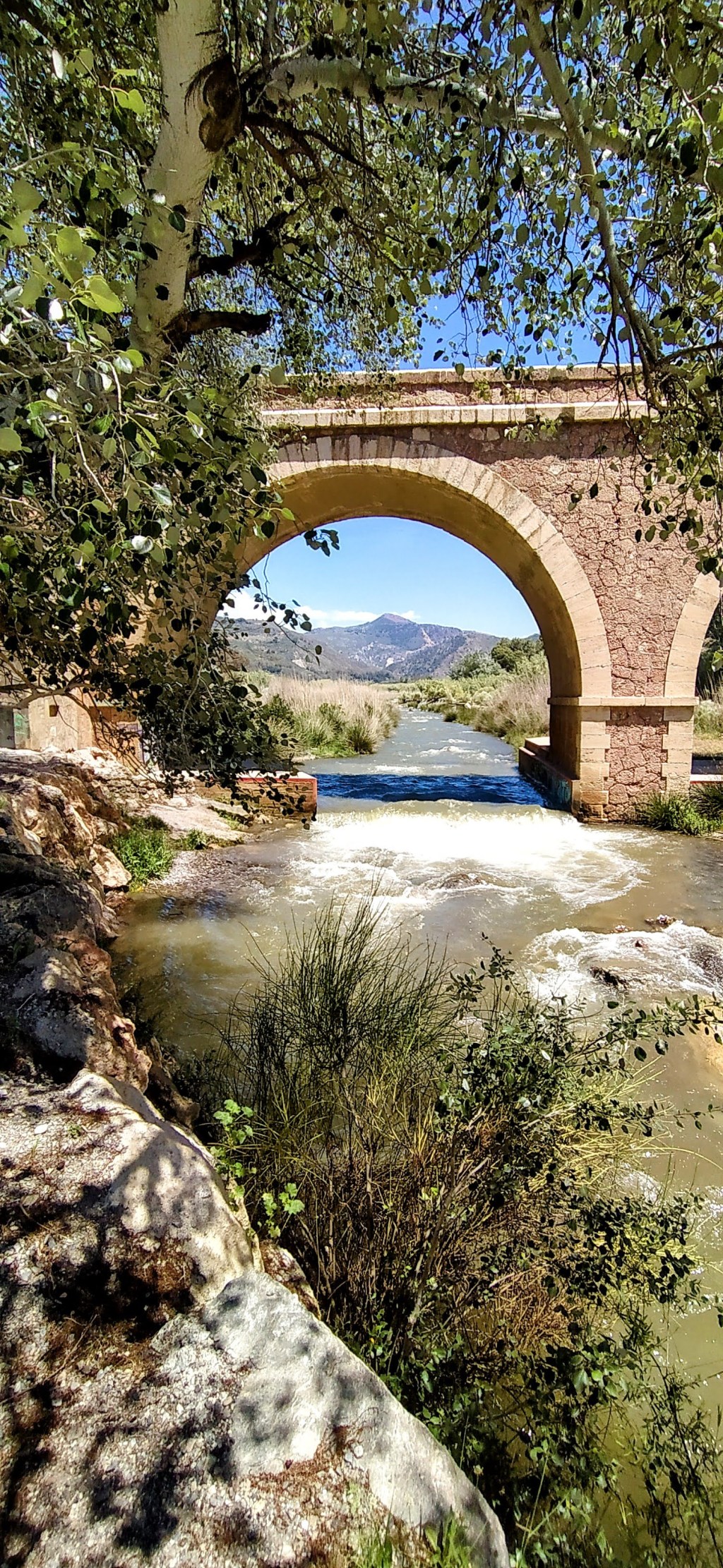
For generations, the river had been known for its strength and energy.
Each spring it spilled eagerly over its banks, the urgent slap of water against stone, rushing into the fields, giving life to seeds and replenishing tired soil. The villagers praised its abundance. They planted closer and closer to its edges, trusting its overflow to nourish everything they needed. Some even came to rely on it entirely, neglecting their own wells.
At first, the river felt proud of its usefulness. It stretched itself wide, gave freely, answered every dry season with more effort, more reach, more force. It believed this was what it existed for.
But over time, its banks began to crumble under the strain. The water ran muddy and turbulent, carrying away fragments of itself. A plastic bottle caught here and there in reeds. Trees that once stood steady along its edges leaned dangerously. The fish hid deeper, disturbed by the constant rapids and whirlpools. Even the fields began to suffer, flooded too often, their crops weakened by excess rather than strengthened by care.
The river felt exhausted, though it had no language for exhaustion. It only knew that something was no longer balanced, no longer healthy, even if it still looked bountiful from the outside.
One year, after a season of relentless rain, the river surged harder than ever. It tore through fences, swallowed pathways, and left behind a slick of damage that no abundance could soften. The villagers stood quietly in the aftermath, finally seeing what the river had been carrying alone.
Slowly, change began.
Stone by stone, the banks were rebuilt, not to imprison the river, but to guide it. Channels were shaped so the water could move steadily instead of violently. The villagers realised the river needed support. The river resisted at first, unfamiliar with containment, unsure whether holding itself was an act of selfishness or survival.
Then something unexpected happened.
The water cleared. The current steadied. The fish returned to the shallows. The trees strengthened their roots instead of bracing for collapse. The fields learned to draw what they needed without drowning in excess. The villagers tended their land more carefully, no longer waiting for rescue from the river’s generosity.
And the river discovered a new way of being.
It still nourished. It still moved life forward. But it no longer emptied itself in frantic service. Its flow became calm, confident, enduring. It learned that strength did not come from endlessly giving, but from knowing its own shape and honouring its limits.
On quiet mornings, mist rose gently from its surface, and the river felt itself breathe, unhurried and whole. It listened to birdsong instead of alarm.
The land remained fertile. The people remained grateful.
But the river went on its way, answerable only to itself.



 Dawn Punter
Leave a comment