
At last, our gap year adventure was ready to begin.
We had a loose idea of which countries we might visit, and roughly in what order, but not much more than that. We booked the outward flights from Heathrow, partly because they were cheaper, partly because it felt important to say goodbye to family properly. We booked two nights of accommodation at the other end. And that was it.
Everything else, we decided, we’d work out as we went.
I prepared a mini wardrobe and packed it into vacuum bags to save space. I researched solid toiletries: shampoo bars, conditioner, laundry soap, tooth tabs. Shoes, always a girl’s packing nightmare, were reduced to just two pairs. We upgraded our Lonely Planet guidebooks to Kindle versions and congratulated ourselves on the weight saved. Two thirty-something adults, embarking on a gap year with the excitement and mindset of students.
The trip itself would last seven months. Central America. A tight budget. Little more than optimism and hand luggage.
Our rucksacks were small enough to fit into the overhead lockers. I packed three coral-coloured T-shirts, a pack-a-mac, one pair of long mole-coloured trousers, brown shorts, a caramel cardigan, and three pairs of underwear following the wear one, wash one, one ready to go rule. On my feet, flip-flops and red walking sandals that could, if you squinted very hard, just about pass as evening shoes. If you really, really squinted.
That was it. No just in case items. No back-ups. No room for excess.
It felt wildly irresponsible and completely liberating.
We flew into San José, Costa Rica, simply because it was cheaper than Panama City, then headed straight to the Caribbean coast. The first two weeks were about unwinding after a frantic Christmas split between families, followed by a dash to Heathrow. We swam, ate, slept, and learned how to do very little at all.
After that gentle beginning, we boarded our first chicken bus and headed north to Panama. From that moment on, the trip began in earnest.
We travelled exclusively by public transport: chicken buses where possible, boats when necessary, and the occasional ferry that looked as though it might sink before leaving the dock. We were often the only white faces on board, our English whispers swallowed by Spanish chatter, animal noises, and music blasting through crackling speakers. Comfort was negligible. Stories plentiful.
Accommodation varied wildly. I shared my bed with cockroaches, exposed bed springs, and bugs I still prefer not to identify. Food became fuel rather than pleasure. For months we lived on tortillas, rice, beans, and whatever casero was on offer that day, usually chicken, often indistinguishable. Breakfasts were eggs, strong coffee, and, if we were lucky and on the right side of a border, banana pancakes aimed squarely at backpackers clinging to familiarity.
It was bland. It was sufficient. It kept us moving forward.
We spent roughly a month in each country. In Panama, I used my TEFL qualification to teach English in Bocas del Toro and Boquete. We watched Mardi Gras erupt in colour, hiked volcanoes, wandered beneath waterfalls, and met American retirees who had come for the warmth and never quite left.
Costa Rica brought gun-toting cowboys, ferries that took on water, and a memorable river crossing where I had to choose between saving a sandal or the keys to our room. I chose the keys. At least we had somewhere to sleep that night. I learned to laugh when plans dissolved, rather than cry.
By Nicaragua, my weight had dropped so dramatically that my clothes were literally falling off me. Our landlady confirmed what we suspected. Parasites. She also explained, cheerfully, that locals worm themselves regularly. So, like two stray dogs, we went to the chemist, bought what was recommended, took the tablets, and carried on.
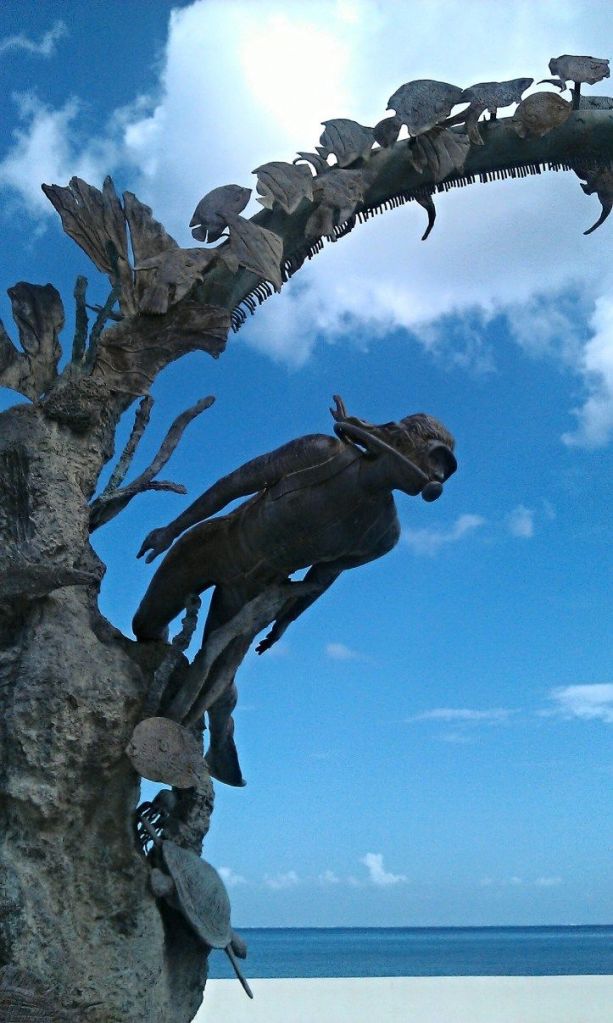
I was dusted with volcanic ash, saw enormous bats carried on sticks to be cooked for dinner, snorkelled around tropical islands with sharks gliding below, and taught English again. I also crammed an entire Spanish course into one exhausting week, triggering a migraine that felt almost ceremonial, a reminder of my previous life.
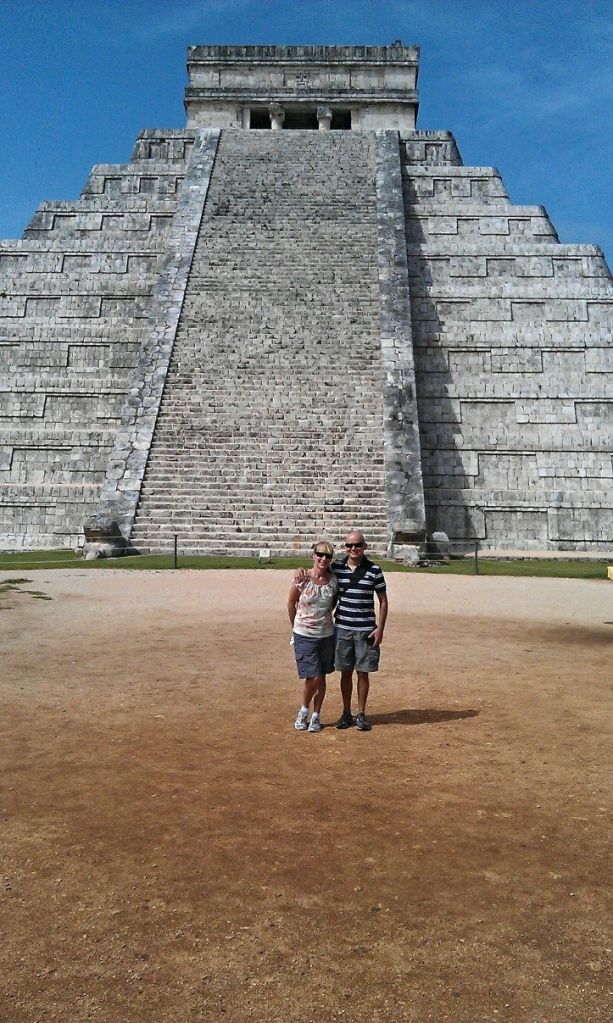
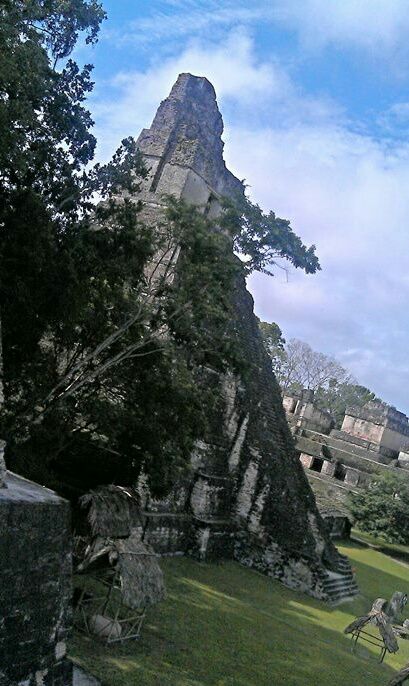
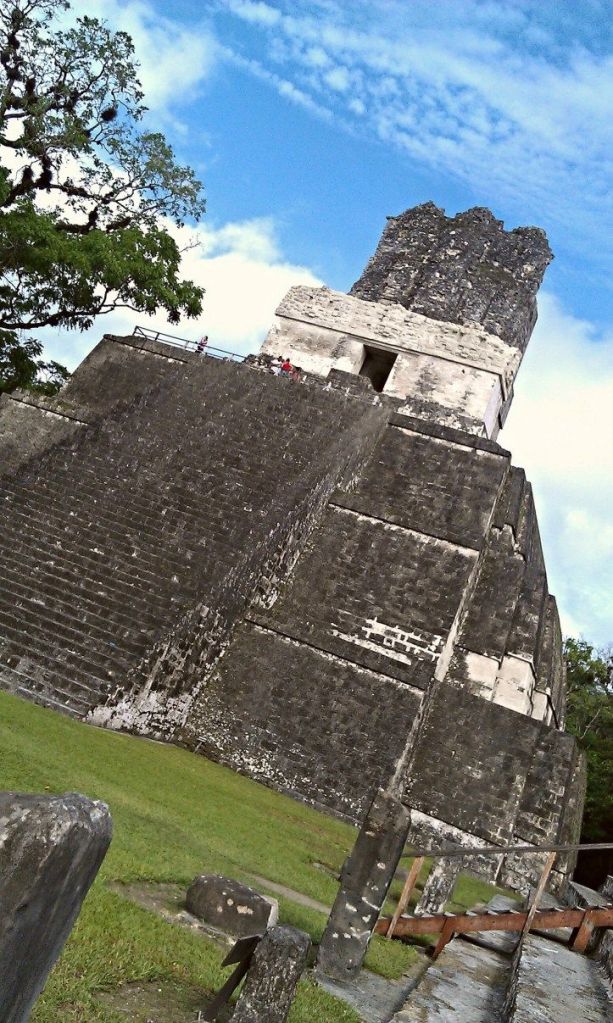
Throughout the journey, we climbed Aztec and Mayan ruins, stone steps worn smooth by centuries of feet, trying to imagine lives shaped by entirely different rhythms.
By Guatemala, I had fully settled into slow travel. Buses packed with locals and livestock felt normal. Shopping beside machete-wielding farmers in supermarket aisles barely registered. Earthquakes had become part of daily life. A 6.8 tremor in a Costa Rican supermarket had been our first real shock, glass shattering, locals screaming. Nicaragua followed with weeks of alerts and Red Cross tents. By Guatemala, we barely flinched.
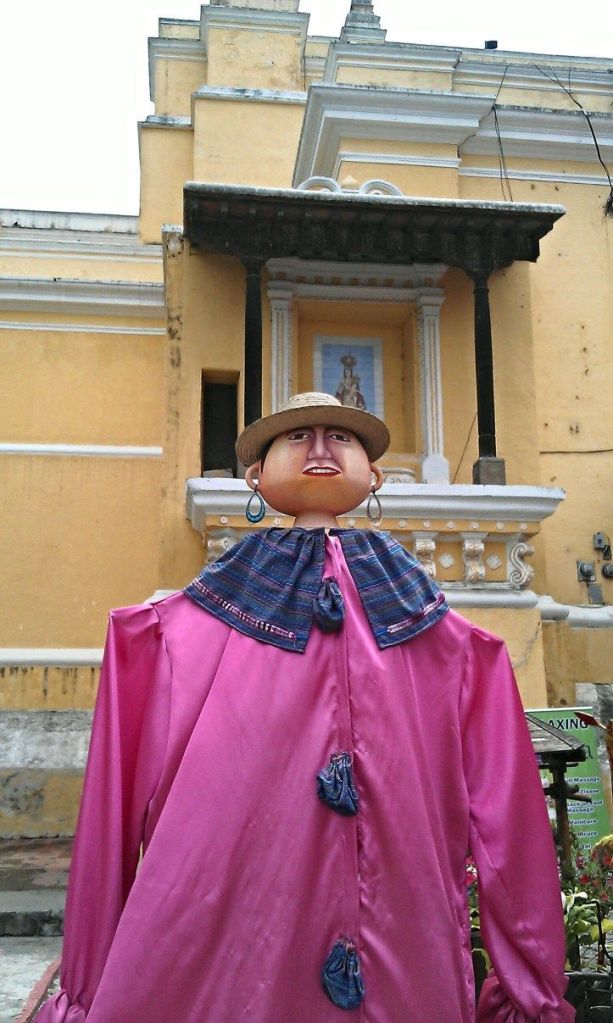
I volunteered at a hillside school with no running water or flushing toilets, prone to landslides and staffed by people with little more than determination. I taught kindergarten, first and second grade. Each morning, children with snot-smeared faces flung themselves at me shouting “Doon, Doon”, my name permanently reshaped by Spanish tongues. I loved them instantly. I fell deeply in love with Guatemala.
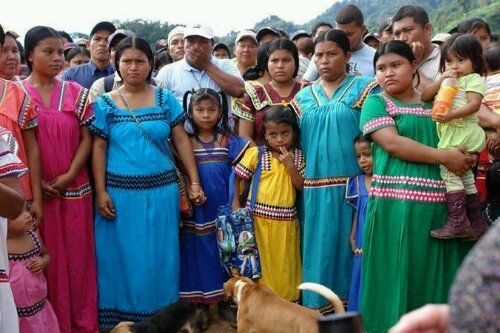
The country gave us friendships, moments of fear, connections with indigenous communities, and food that finally reawakened my taste buds after months of beans and rice.
Belize came next, and for reasons I still can’t fully explain, we didn’t connect. It felt oddly detached. Our accommodation turned out to be an insect-infested flea den. When they threatened to call the police when we refused to pay for nights we wouldn’t stay, we left early. Heads down, we boarded a speedboat back to the mainland. I unrealistically feared a police chase of Hollywood proportions and was secretly relieved, if a little disappointed when there wasn’t.
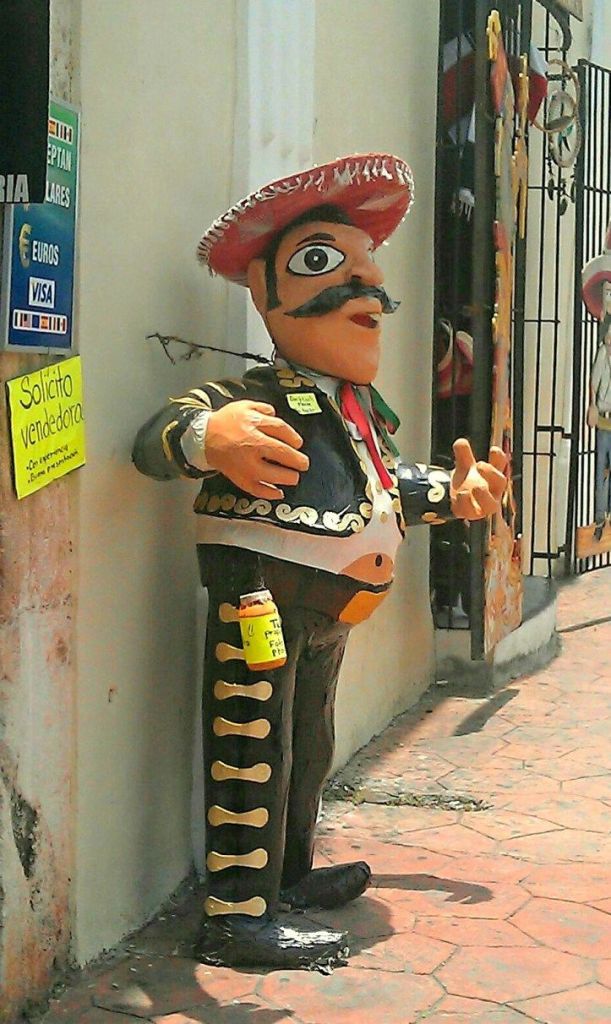
With seven weeks left, we headed to the Yucatán Peninsula in Mexico. It hit me like a hard, yet glorious slap on the face. Food exploded with flavour. Mariachi music spilled out onto the streets. People danced in squares during the evenings. Somewhere along the way, it reminded me of Spain, and I felt a quiet pull towards what would later become home.
By the time we returned to Heathrow, I had folded my last two thinning T-shirts and a pair of well-darned trousers into my rucksack.
Our gap year gave me more than just stories. It slowed me down. I moved from corporate project management and rigid schedules into uncertainty, planning the next step the night before. In letting go of control, I also let go of a great deal of fear.
I was vomited on, infected with parasites, undernourished, shaken by earthquakes, warned of tsunamis, and stripped of certainty.
And yet, nothing terrible happened.
I was still alive. Connected. Present. Somewhere between chicken buses and border crossings, I realised I had never truly lived before.
That trip didn’t just change how I travelled.
It changed how I understood life.


 Dawn Punter
Leave a comment